


It’s About Selling and Telling and Owning Your Story
Perception: The Funhouse Mirror of Reality
Perceptions are a bit like those funny carnival mirrors—sometimes they make you look taller, shorter, or swirl your image into an unrecognizable shape. The truth is, what people see when they look at you says far more about them and their lens than it does about you.
Your neighbor might think you’re aloof because you don’t wave every morning. Your coworker might interpret your efficiency as coldness. Your old friend from high school might see your career leap as “trying too hard.” If you start tailoring your brand for each of these shifting audiences, you’ll soon be spinning like a weather wane in a hurricane. Why are decisions often influenced by perceptions? The saying “perception is reality” still shapes opinions, though inaccurately.
The Problem with Crowdsourced Identity
Imagine if some of the world’s boldest innovators, thinkers, or artists had waited for everyone’s approval before stepping into the limelight. Would Steve Jobs have built the iPhone if he’d listened to the naysayers who said, “But we already have phones”? The risk in outsourcing your brand to the court of public opinion is that it quickly becomes a game of telephone—a message that starts out clear gets hopelessly muddled as it’s passed from person to person, each adding their own spin. Before long, your brand is less “thoughtful innovator” and more “that person who did a weird thing at last year’s holiday party.”
Personal Branding: It’s Not a Popularity Contest
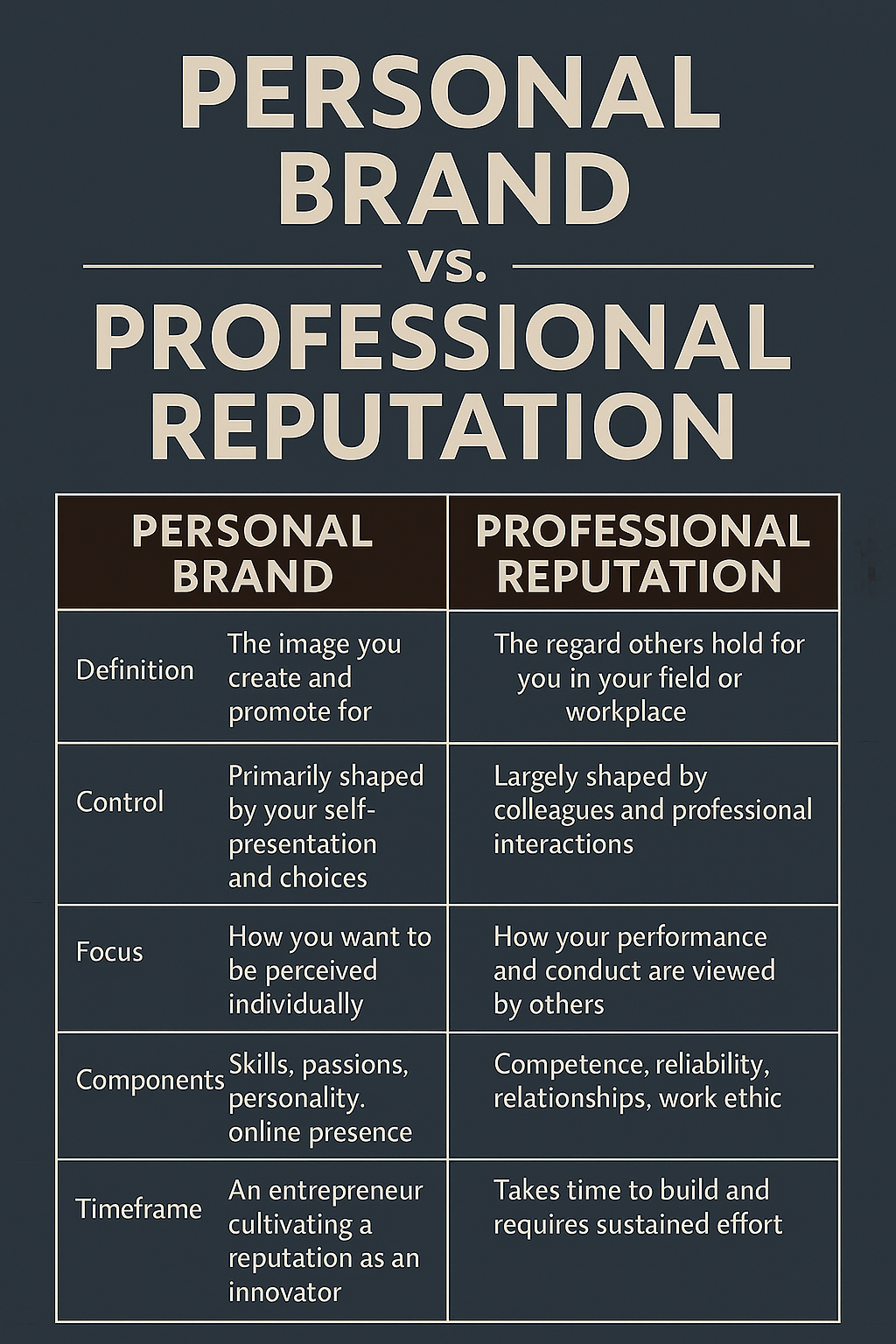
There’s a difference between being aware of how you’re perceived and being ruled by it. The former can be a helpful chance to reflect and adjust if your message isn’t landing. The latter is a one-way ticket to mediocrity. Your personal brand should be the story you tell about yourself, not the story others write in the comments section. It’s the sum of your values, aspirations, quirks, and convictions.
When Perceptions Do Matter—And When They Don’t
Now, let’s be clear: ignoring all feedback is its own kind of disaster. Constructive criticism? Bring it on. Course correction from trusted mentors? Absolutely. But buying wholesale into the chorus of loosely formed opinions? That’s when it’s time to Interrupt!© . Interrupting does not eliminate the need to consider others’ perspectives; rather, it provides a framework through which one manages their own truth—the whole truth. What matters is discernment. Who is giving you feedback? Do they know you, your work, your goals?
“When we have the courage to walk into our story and own it, we get to write the ending. AND WHEN WE DON’T OWN OUR STORIES OF FAILURE, SETBACKS, AND HURT–THEY OWN US.” (Brene Brown)
I’ve written my story, and told it in my own words, laying out all the gory details in ink on a page. It was a cathartic rebirth – part memoir and part self-help. Be the author, not the footnote. Own your story, warts and all. Let your reputation reflect your actions, your integrity, and your vision, not the shifting tides of public perception.